P. O. Box 1074, Gulu Uganda | Tel: +256 392138904 | Email: [email protected]

United for Her Future: Amuru District Strengthens the Fight Against Teenage Pregnancy
United for Her Future: Amuru District Strengthens the Fight Against Teenage Pregnancy
Mildred Auma
Communications Officer
Amuru District is sending a clear and powerful message: the future of its girls matters.
With renewed energy and coordinated action, district leaders and stakeholders are stepping up efforts to reduce teenage pregnancy and protect adolescent girls from violence and exploitation.
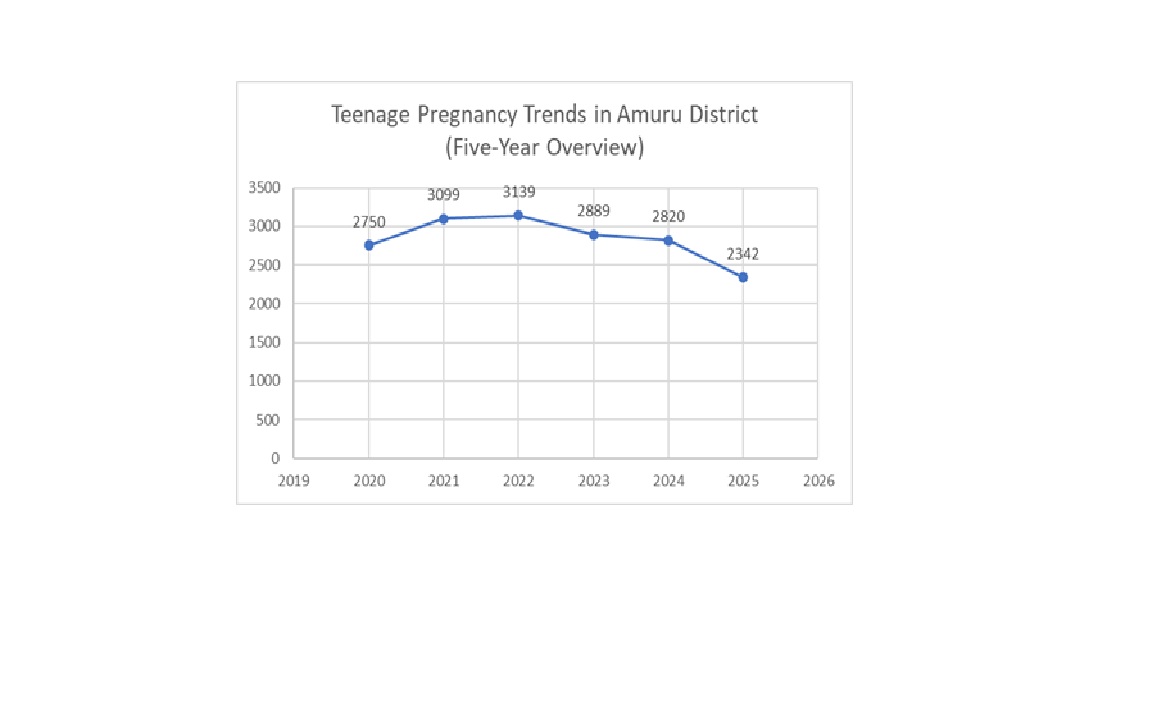
Recent district statistics show that teenage pregnancy cases rose steadily between 2020 and 2022, increasing from 2,750 cases in 2020 to a peak of 3,139 cases in 2022, raising concern across communities and institutions. However, the trend began to decline in 2023 and 2024 and has continued downward into 2025. Cases reduced from 2,889 in 2023 to 2,820 in 2024, and further dropped significantly to 2,342 in 2025. This sustained decline is a promising sign that district interventions are taking effect. While this progress is encouraging, district leaders stress that the fight is far from over.
At the heart of the renewed effort is a strengthened, multi-sectoral approach led by the Community Development Department. According to the Senior Probation Officer of Amuru District, Richard Lukumoi, the district plans to reactivate the District Committee for Adolescent Health to intensify coordination and sustain dialogue on addressing teenage pregnancy and violence against women and girls.
“This is not just about numbers,” Lukumoi emphasizes. “It is about safeguarding the dignity, safety, and future of our girls.”
Recognizing that teenage pregnancy is often rooted in gender-based violence and limited access to justice, the district is reinforcing collaboration with partners to strengthen community sensitization on legal issues, particularly laws related to violence against women and girls. Through continuous awareness campaigns, families and communities are being empowered with knowledge to prevent abuse, report cases, and protect vulnerable children.
The Health Department is also taking decisive action. One critical reform involves addressing delays in the completion of Medical Form 3, a key document in handling cases of defilement and assault. By streamlining this process, the district aims to ensure timely justice for survivors and send a strong message that perpetrators will be held accountable.
In addition, the Community Development Department is lobbying for increased funding. By allocating more resources through conditional grants and local revenue, the district can strengthen community-based services that prevent violence and support at-risk girls. Enhanced facilitation will enable outreach programs, counselling services, and follow-up mechanisms to function effectively at the grassroots level.
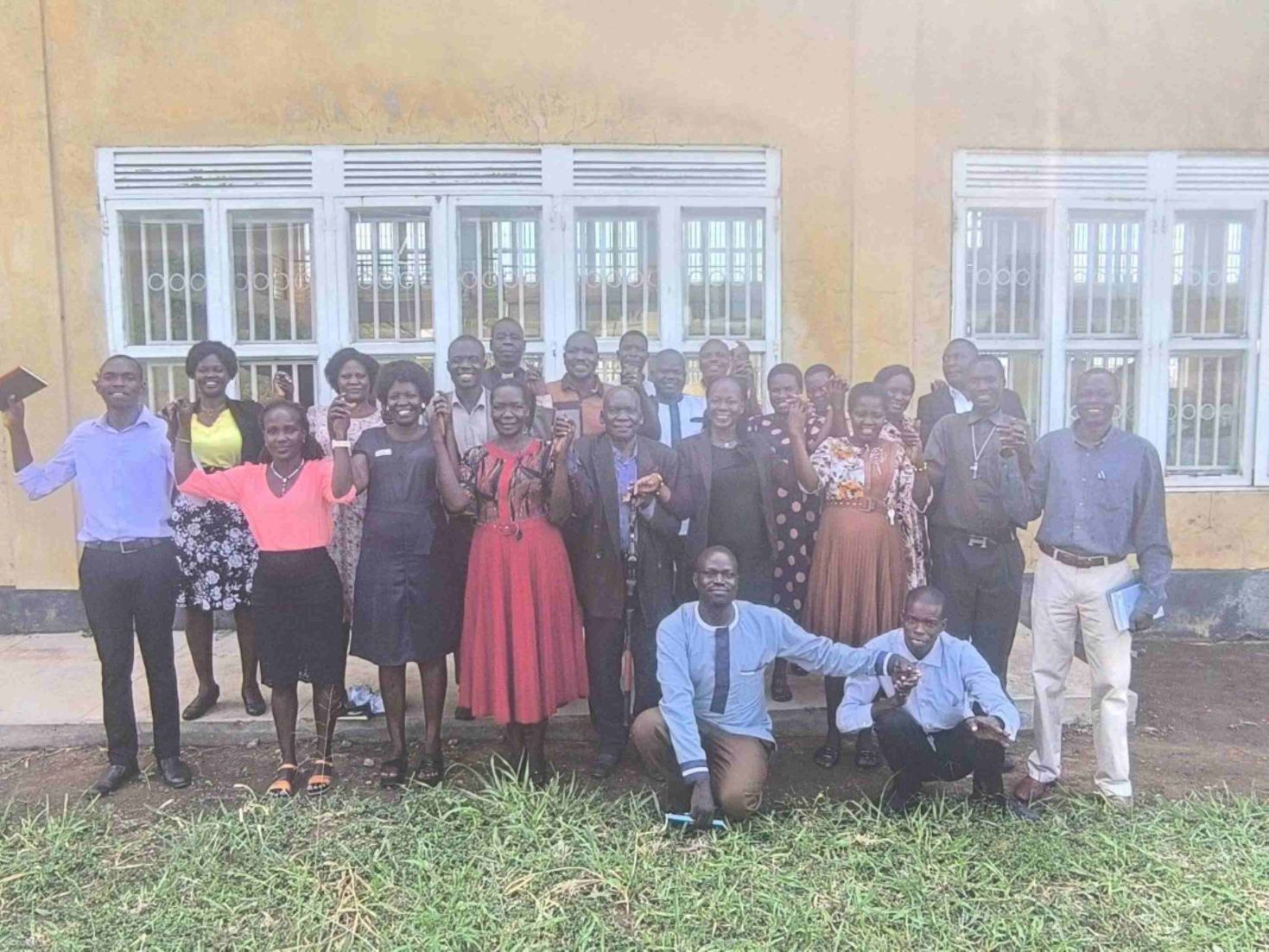
The District Secretary for Health and Community-Based Services, Okello Apollo Kaggwa has called upon all stakeholders to join hands in this critical cause. He emphasized that reducing teenage pregnancy requires collective responsibility — from education institutions, health workers, police, and the legal office to media practitioners, local leaders, religious and cultural leaders, and development partners.
Schools are encouraged to strengthen guidance, counselling, and life-skills education. Health facilities are urged to provide accessible, youth-friendly services. Law enforcement agencies must act swiftly on reported cases, while cultural and religious leaders are called upon to champion positive values that protect children and uphold community responsibility.
Teenage pregnancy is not merely a health issue; it is a social, legal, and developmental challenge. When a girl becomes pregnant too early, her education is interrupted, her opportunities shrink, and her vulnerability increases. By confronting the root causes — especially violence and exploitation — Amuru District is tackling the problem at its foundation.
The continued decline in 2025 demonstrates that change is possible when leadership is committed and communities are engaged. Yet sustained effort remains essential. Every sector must play its part. Every voice must speak up. Every institution must act.
Amuru District’s message is clear: protecting girls is protecting the future. Through unity, accountability, and continued advocacy, the district is determined to build a safer environment where every adolescent girl can learn, grow, and thrive free from fear and early pregnancy.
Ends.
Friday, February 13, 2026
Images: