P. O. Box 1074, Gulu Uganda | Tel: +256 392138904 | Email: [email protected]

Good News for Developers and Technocrats: New Online System Simplifies Building Application and Approvals
Good News for Developers and Technocrats: New Online System Simplifies Building Application and Approvals
By Mildred Auma
Communication Officer
Developers, engineers, and local government technocrats have reason to celebrate following the introduction of a new digital platform aimed at transforming building control services.
The National Building Review Board has rolled out the Building Industry Management System (BIMS), an online solution designed to make the application and approval process for building permits faster, more transparent, and more efficient.
For years, developers and technical teams have faced delays, paperwork bottlenecks, and fragmented approval systems. BIMS changes this by allowing all applications and approvals to be processed online, reducing the need for physical visits to offices and streamlining communication between clients, professionals, and local authorities.
The system has been integrated with the Integrated Revenue Administration System (IRAS), enabling harmonised and unified payment of building fees. This integration is expected to improve revenue collection, enhance accountability, and simplify financial transactions for both developers and district authorities.
Beyond easing payments, BIMS introduces a more structured approach to data management. It will support data generation, help in identifying developers, and provide a centralised repository for all building-related records. This not only improves efficiency but also strengthens oversight and planning within local governments.
According to Bagyenda Adolf, a software developer at the National Building Review Board, the system is designed to make work easier for both clients and technocrats. By enabling remote task management, professionals can now review applications, track progress, and make approvals without being physically present, saving time and increasing productivity.
An added feature of the platform is its public engagement component. Citizens can submit complaints or report hazardous structures that may pose risks to their communities. The system also includes a “wall of shame,” where professionals with poor construction records can be flagged, promoting accountability and adherence to building standards.
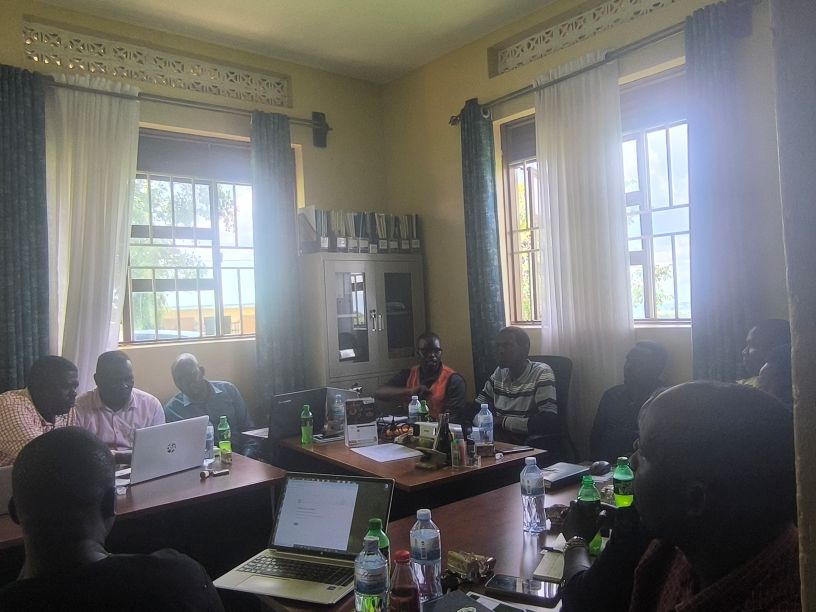
In Amuru District, members of the District Building Committee who were trained on the system have welcomed the innovation. They noted that BIMS will improve service delivery, reduce delays, and enhance coordination among stakeholders involved in building control.
Overall, the introduction of BIMS marks a significant step forward in modernising Uganda’s building sector. By embracing digital solutions, the National Building Review Board is not only simplifying processes but also creating a more transparent, accountable, and efficient environment for developers and technocrats alike.
Tuesday, March 24, 2026
Images: